





a touch of classical luxury
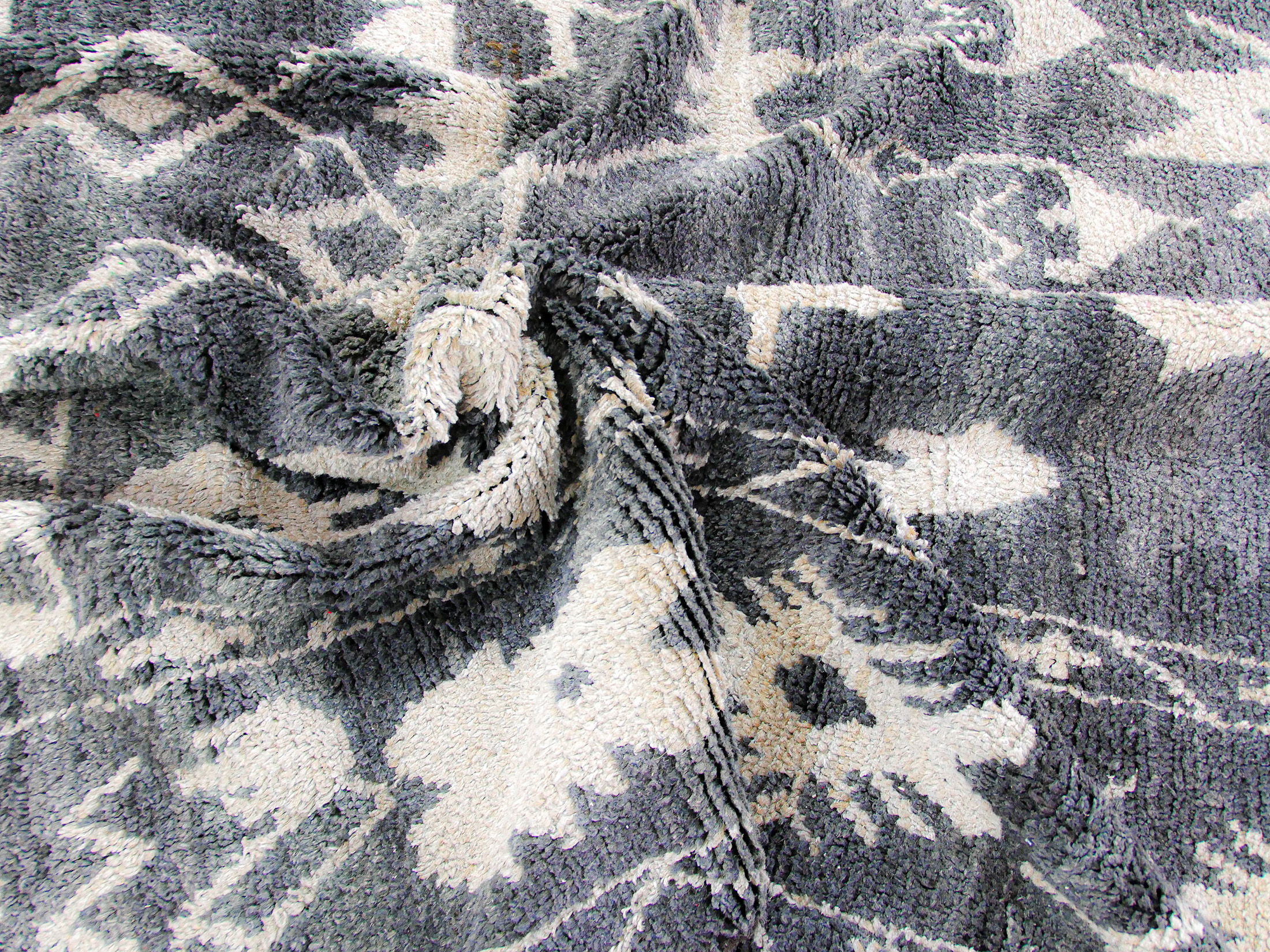
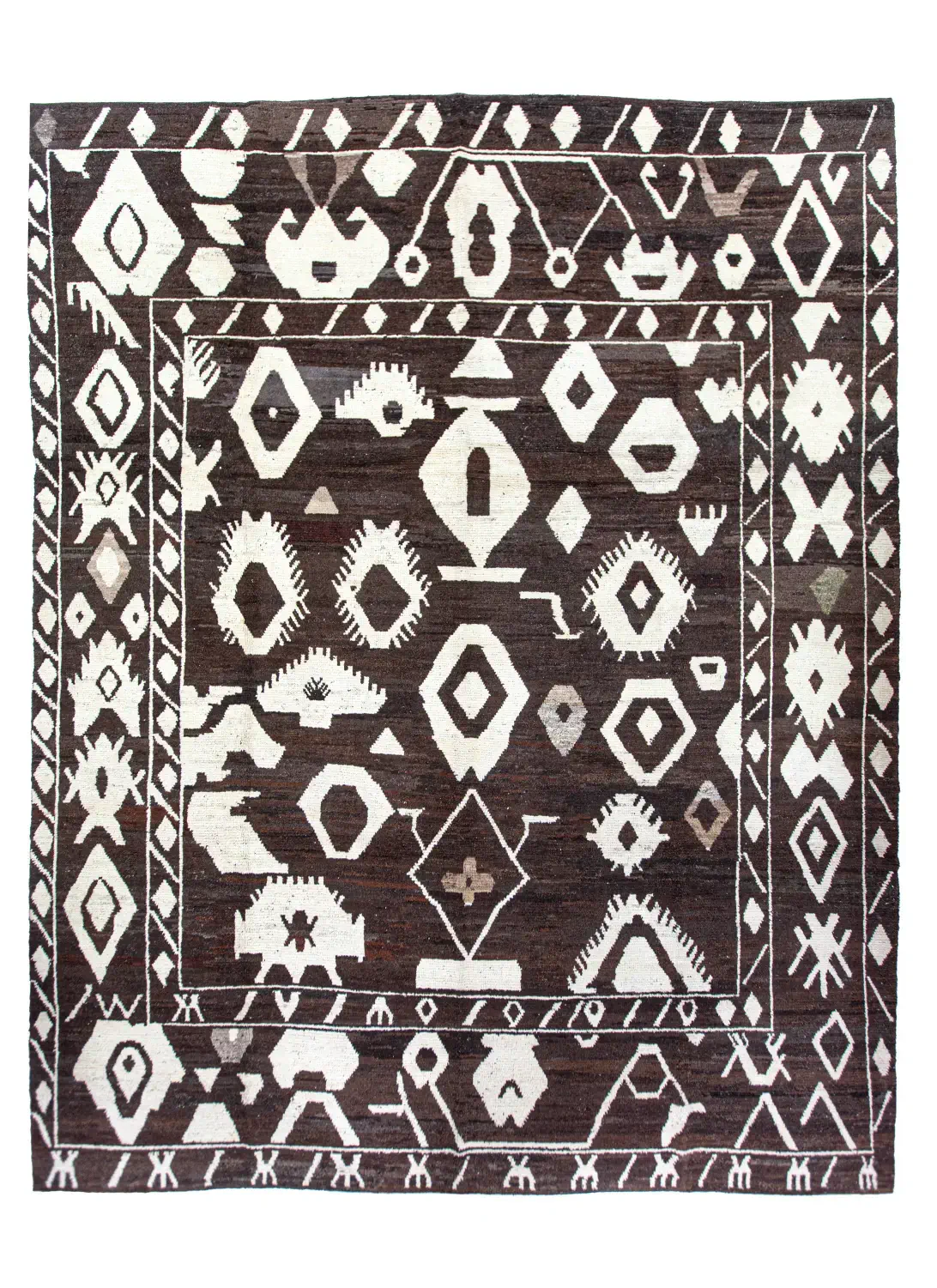
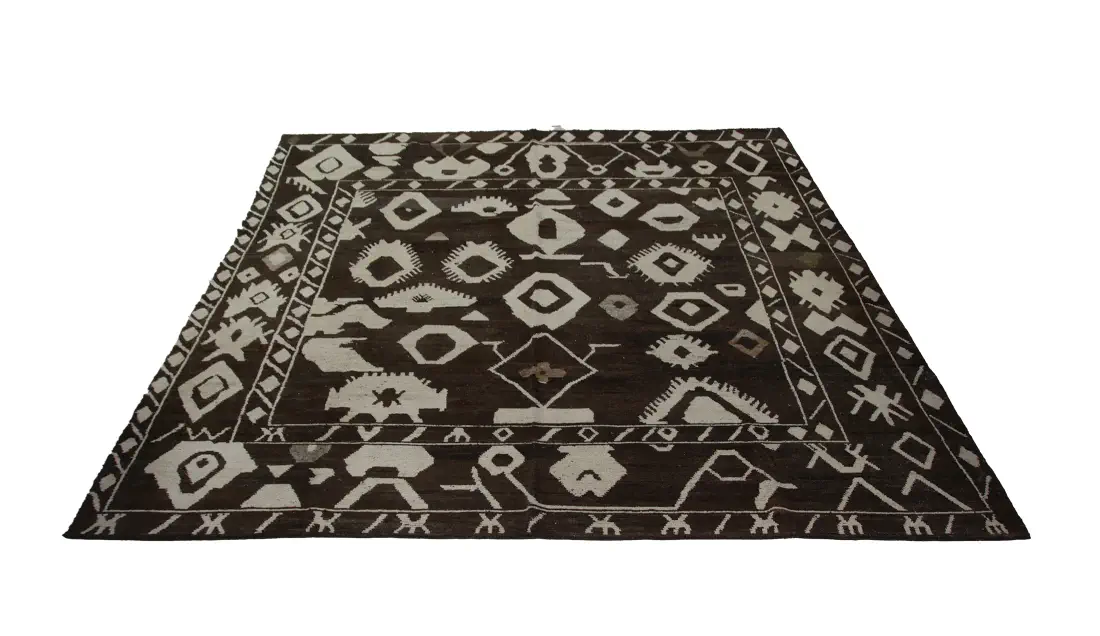
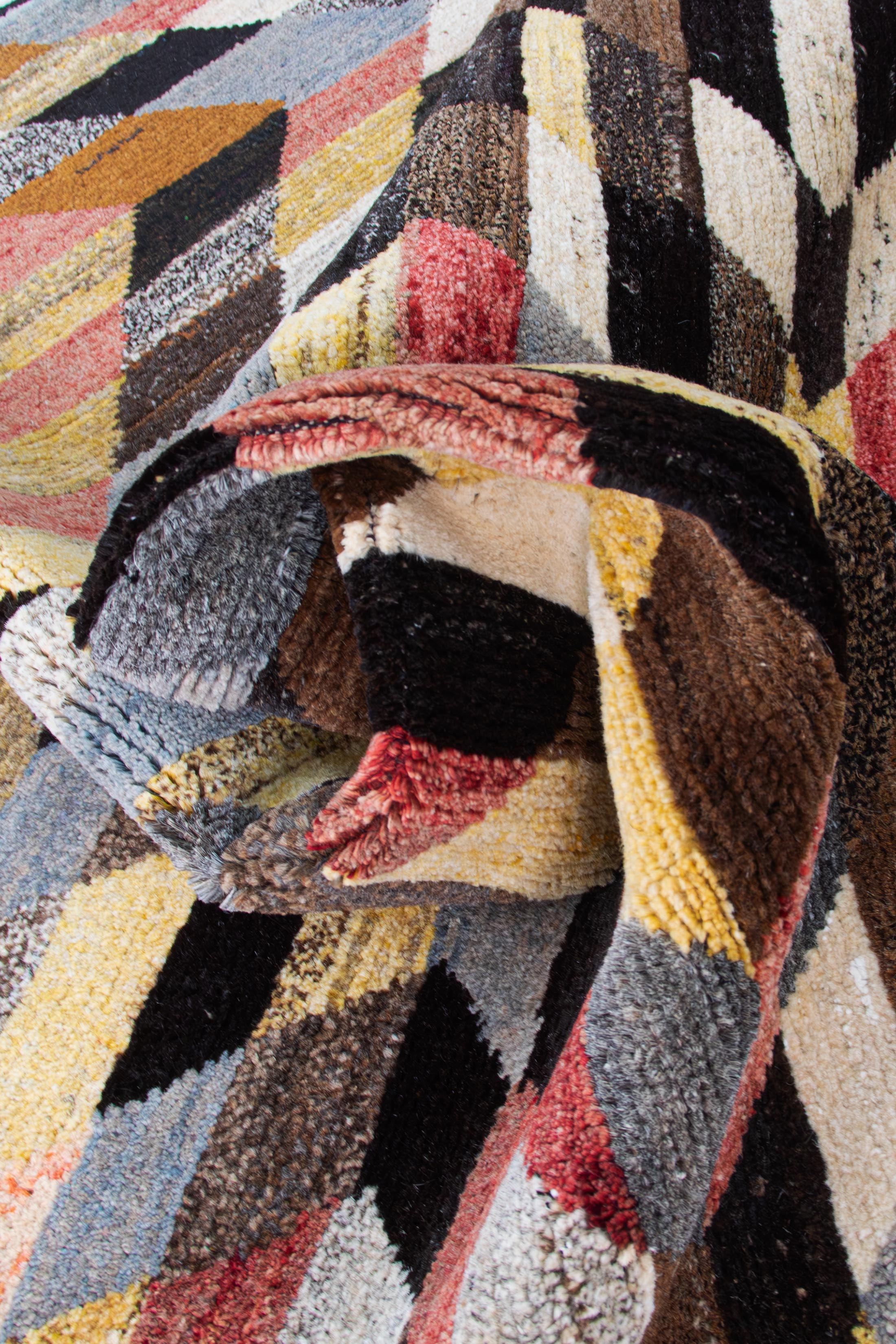
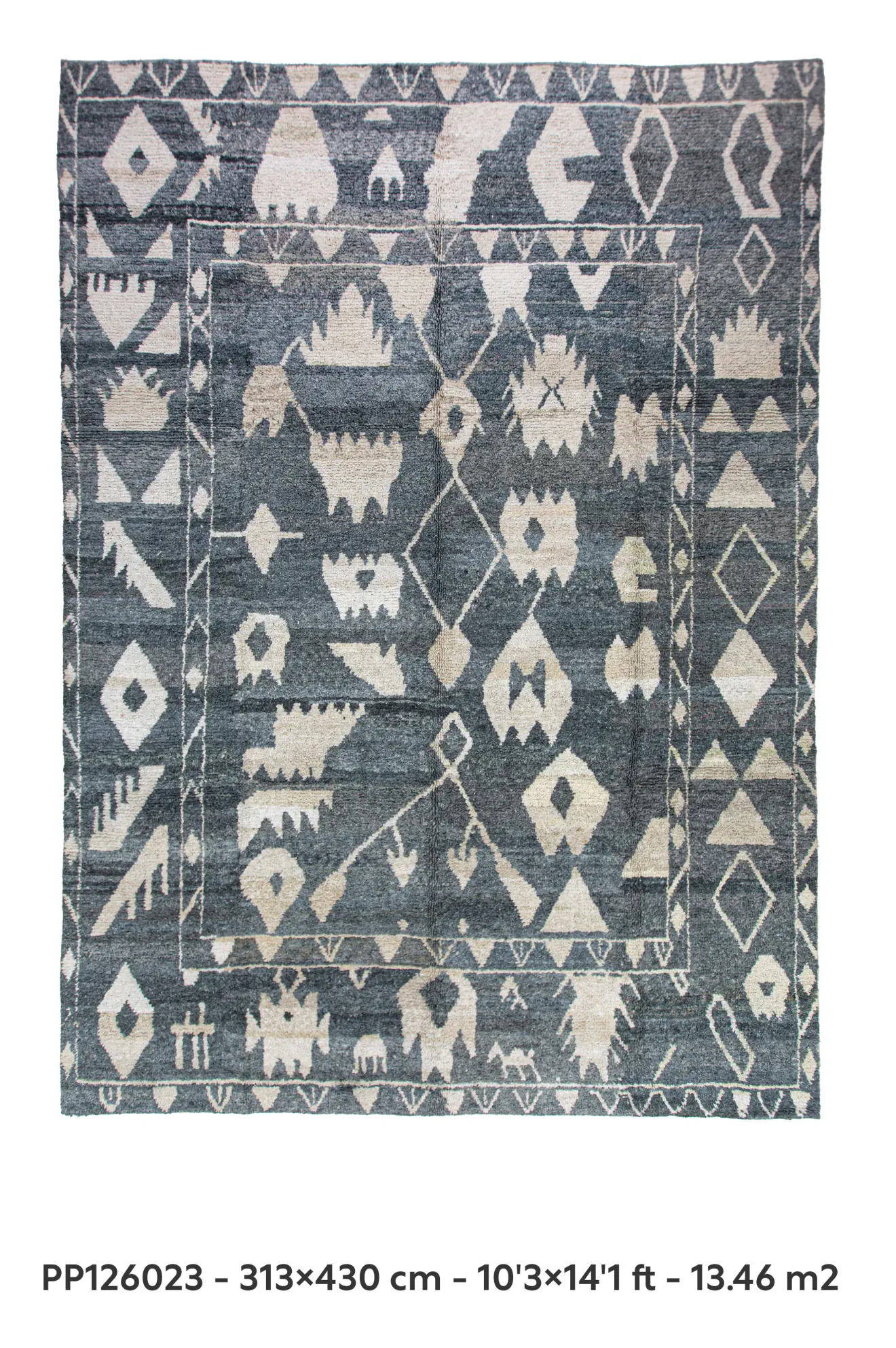
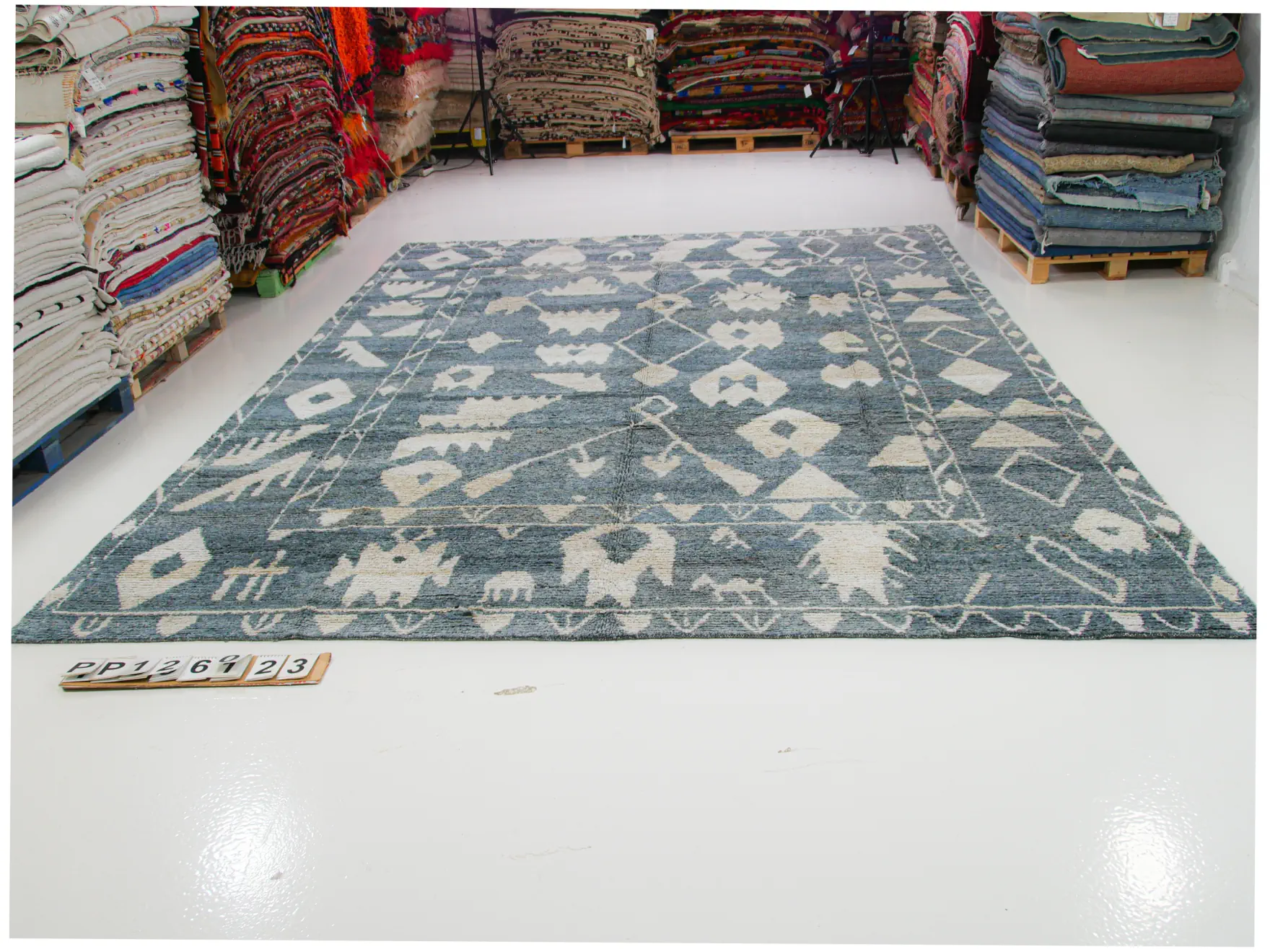
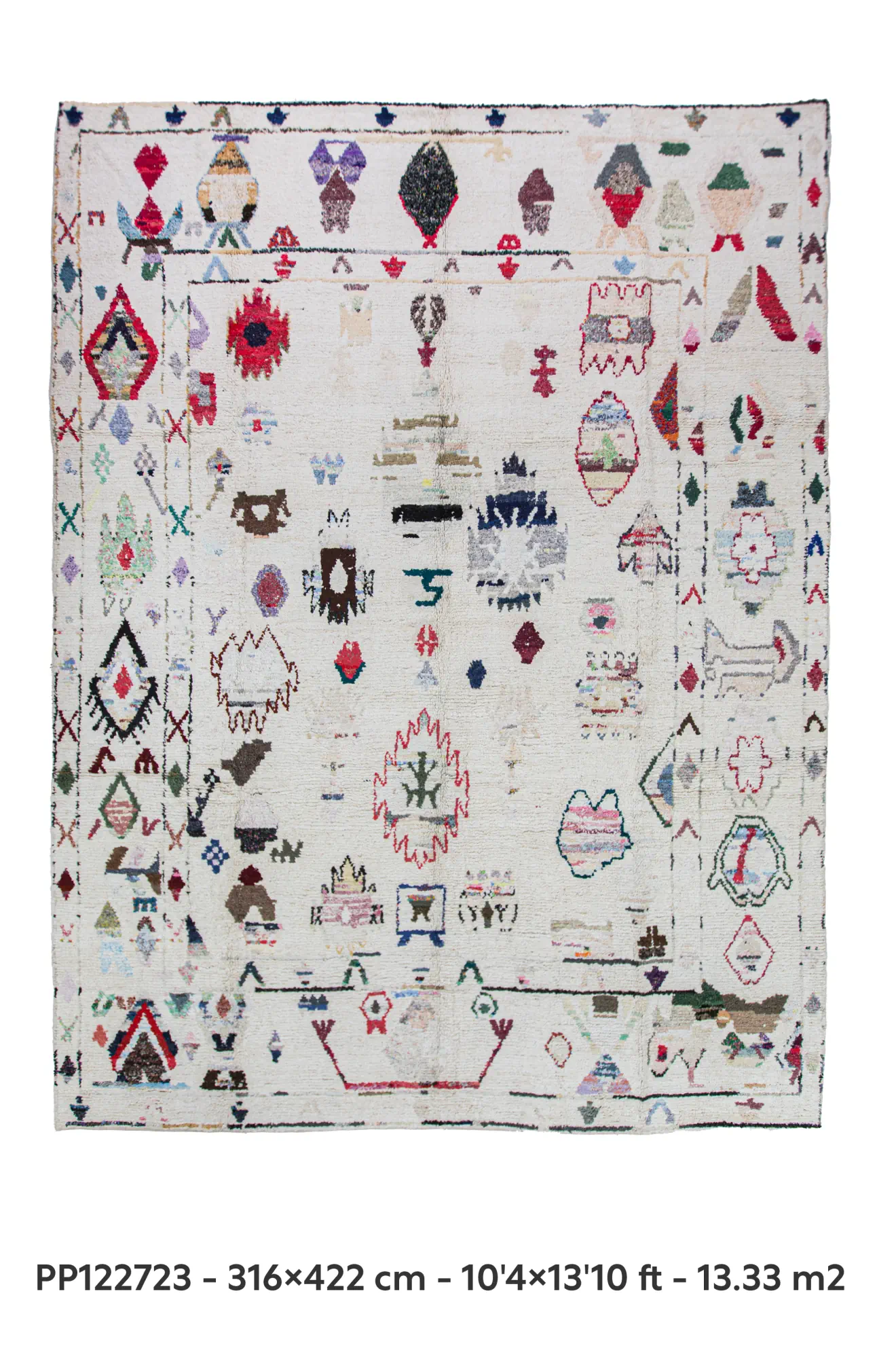
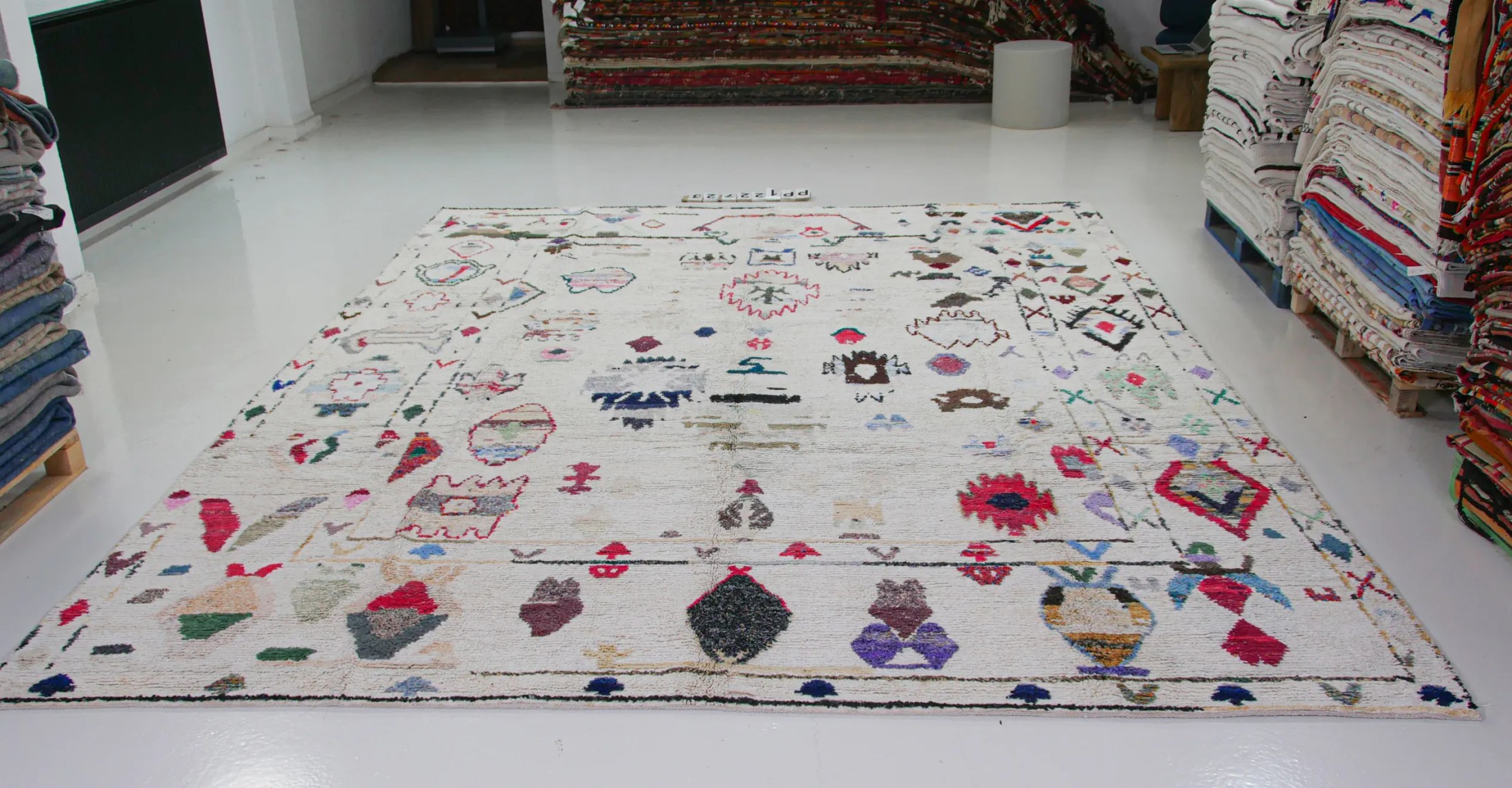
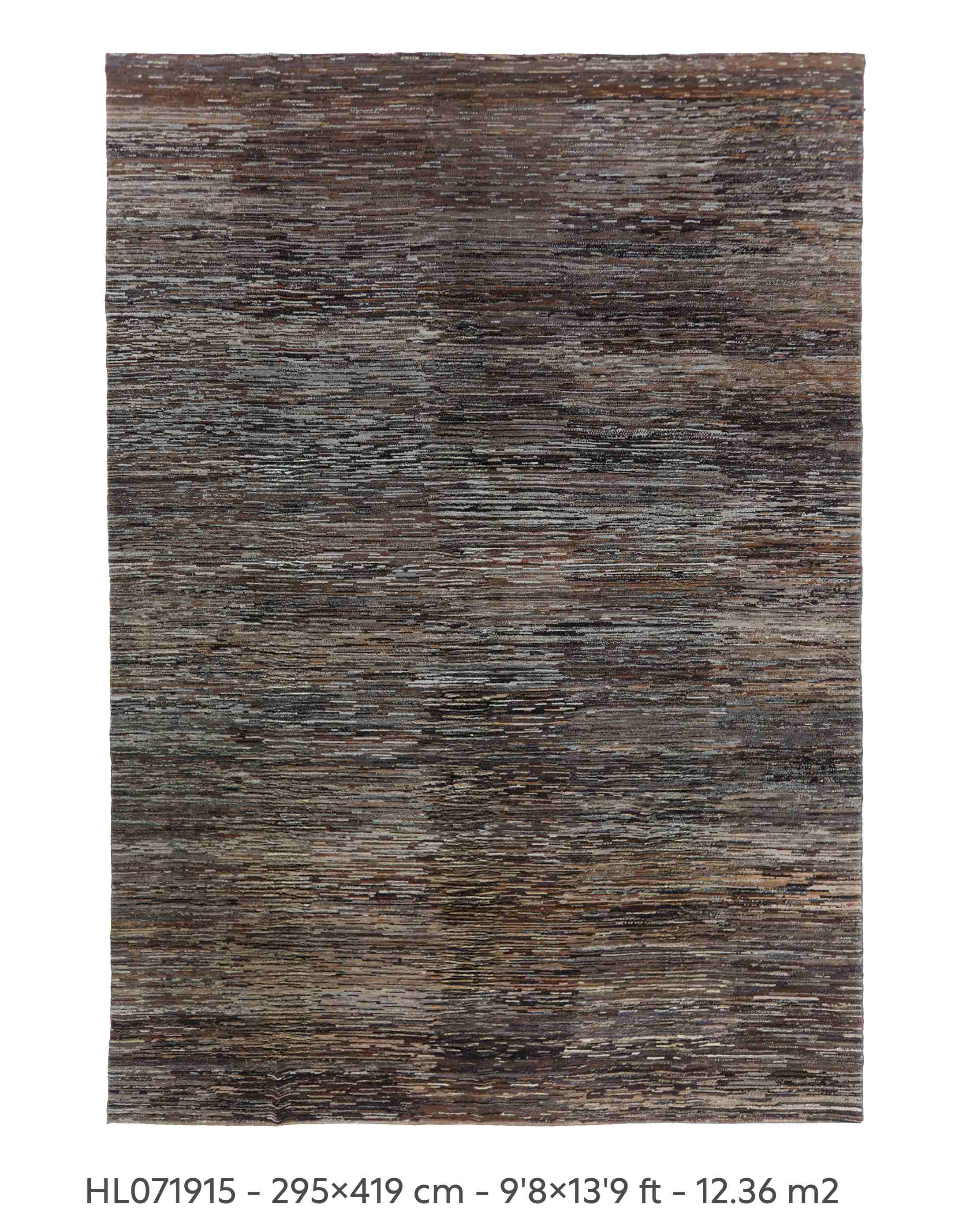
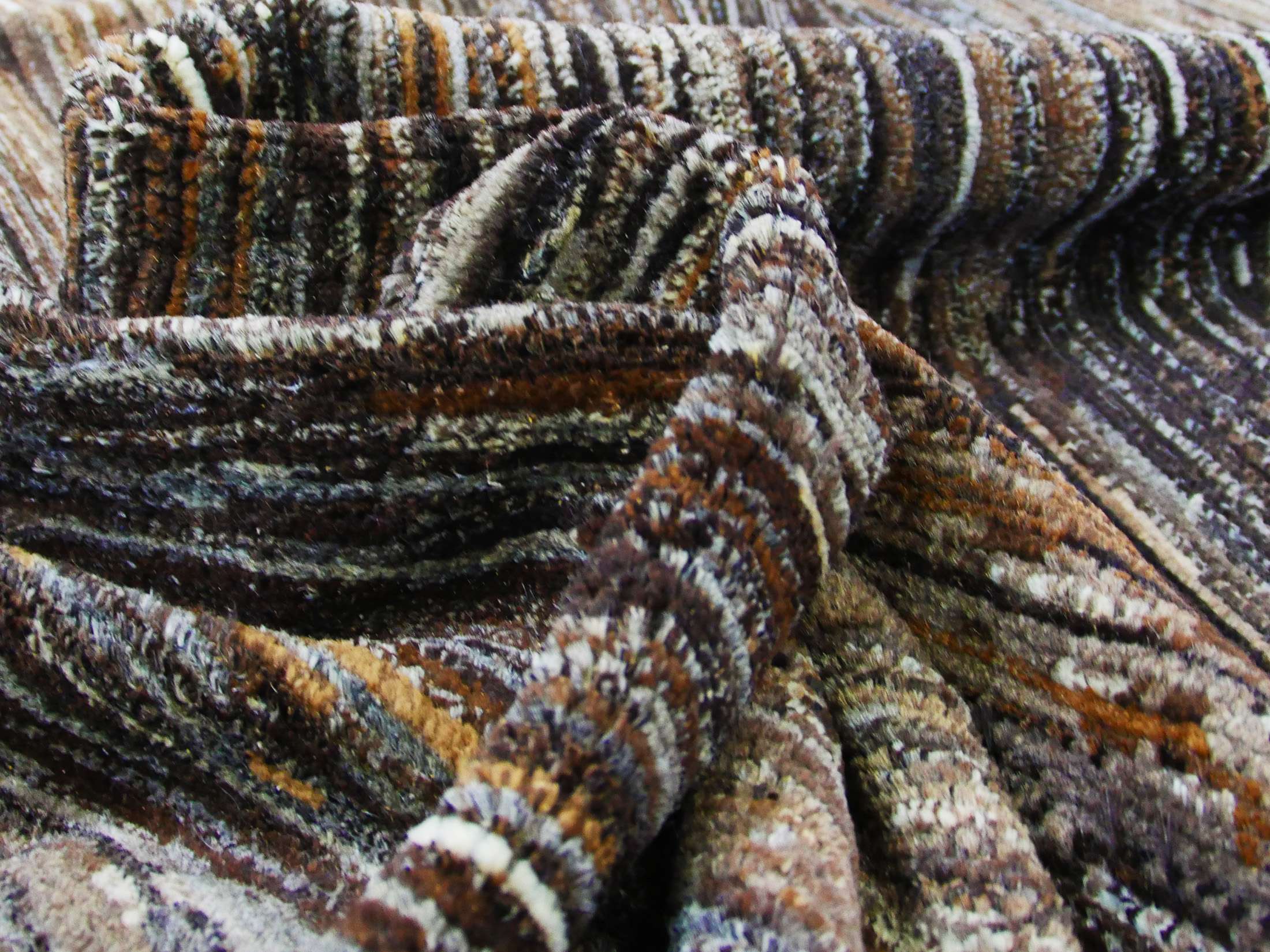
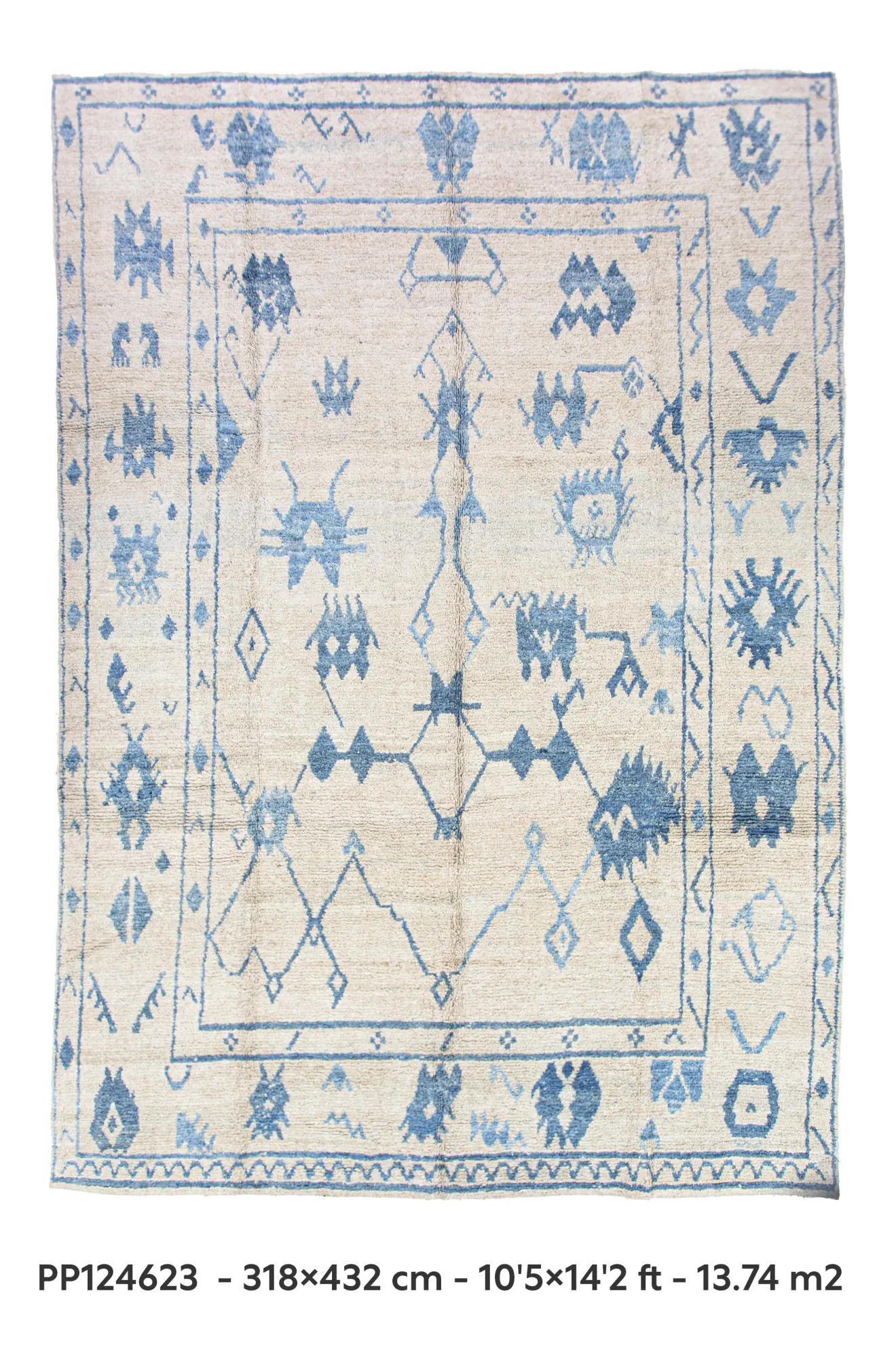
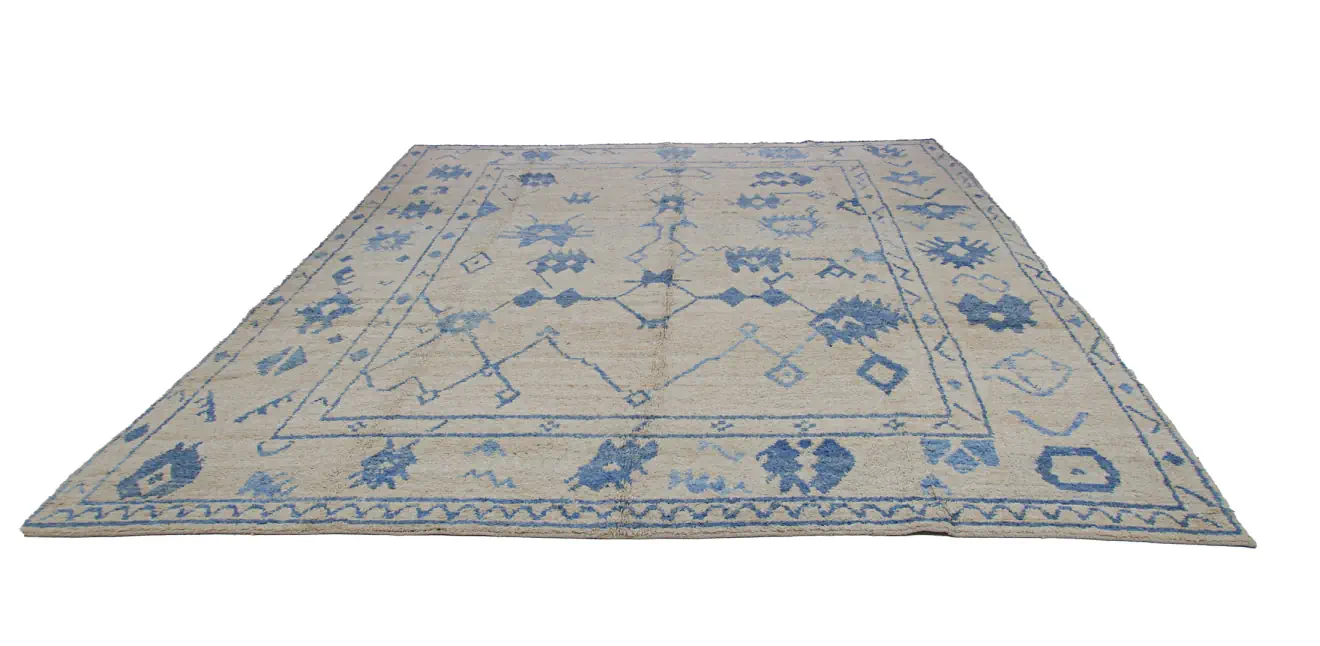
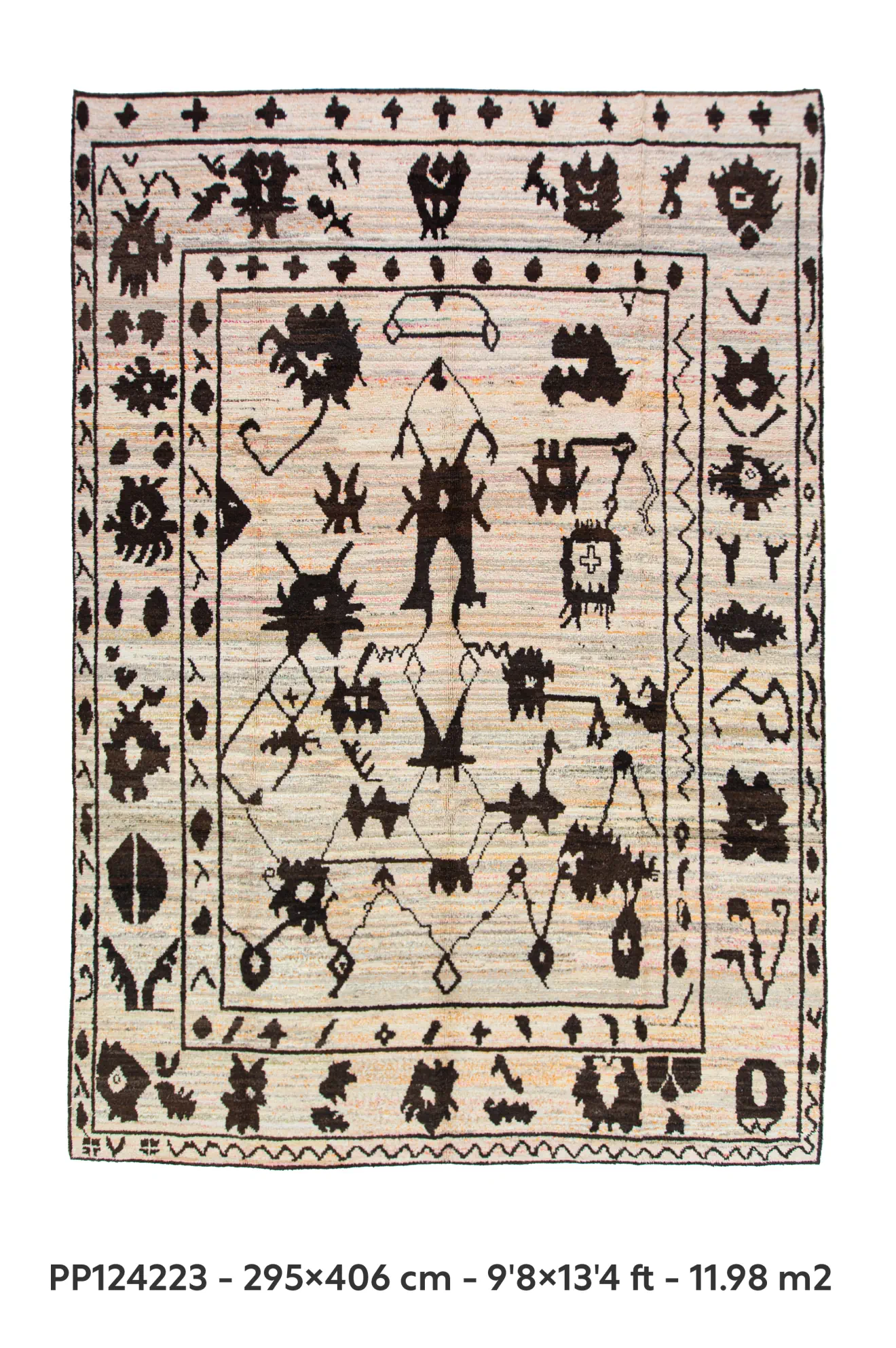
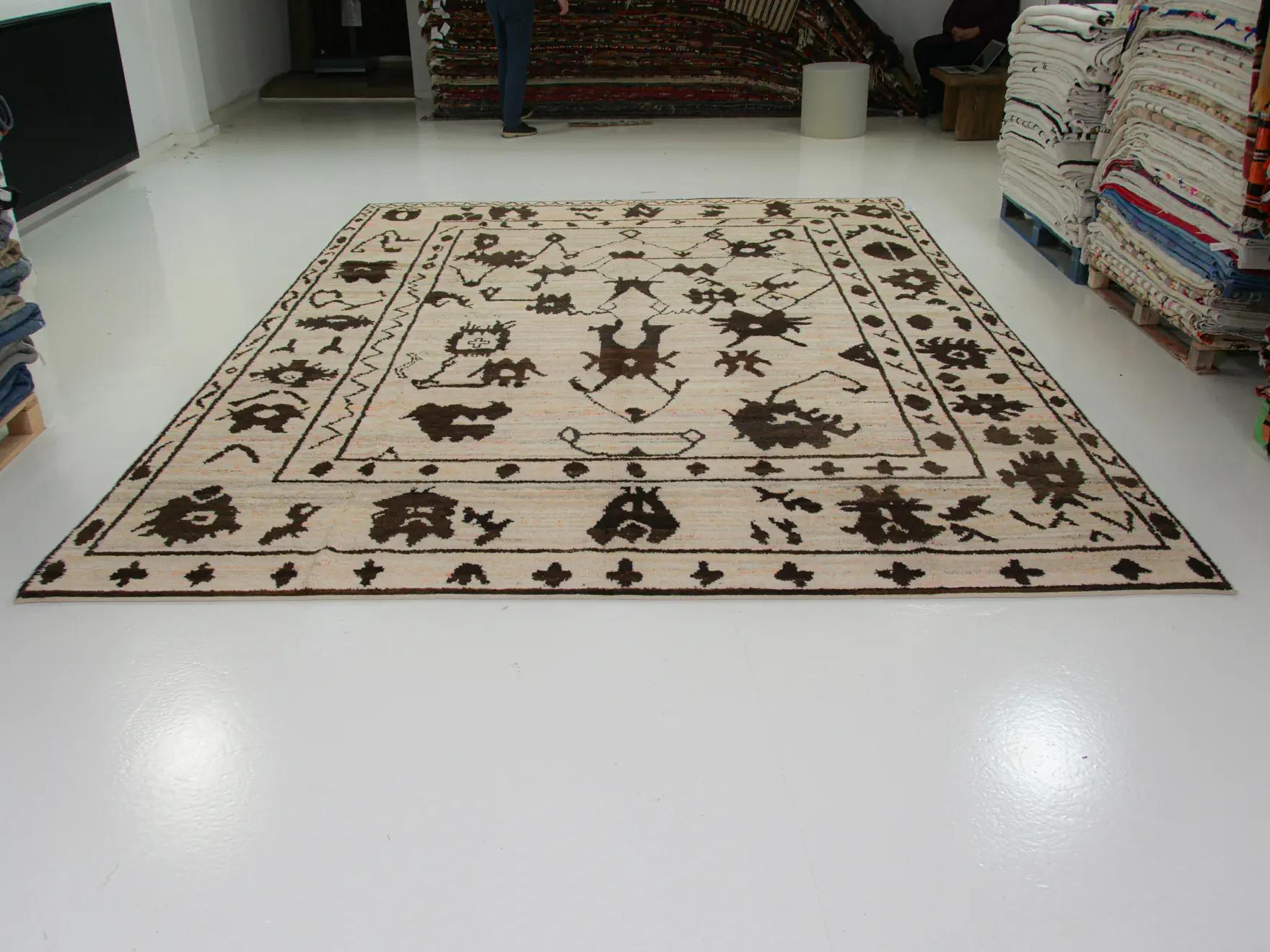
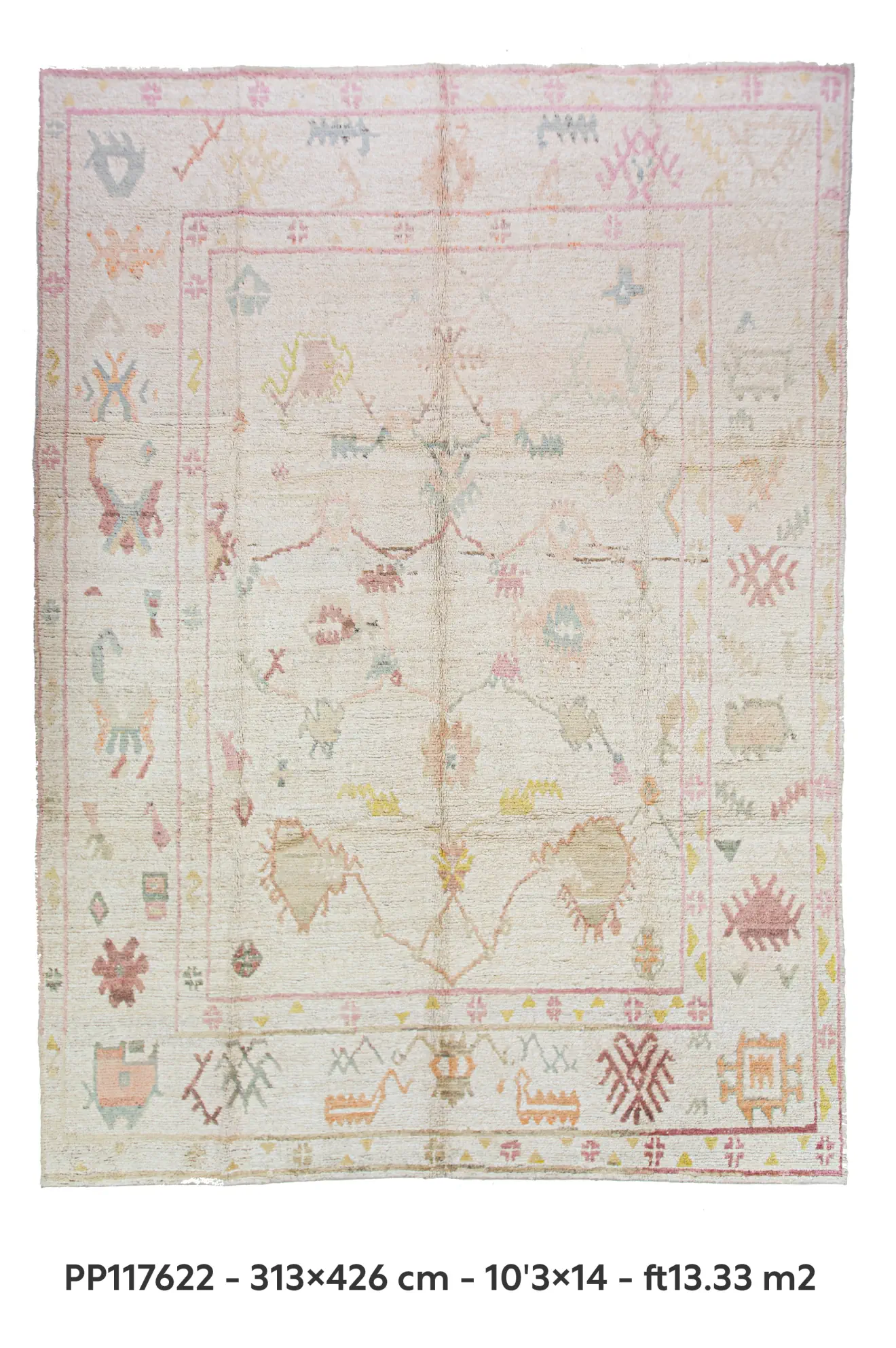
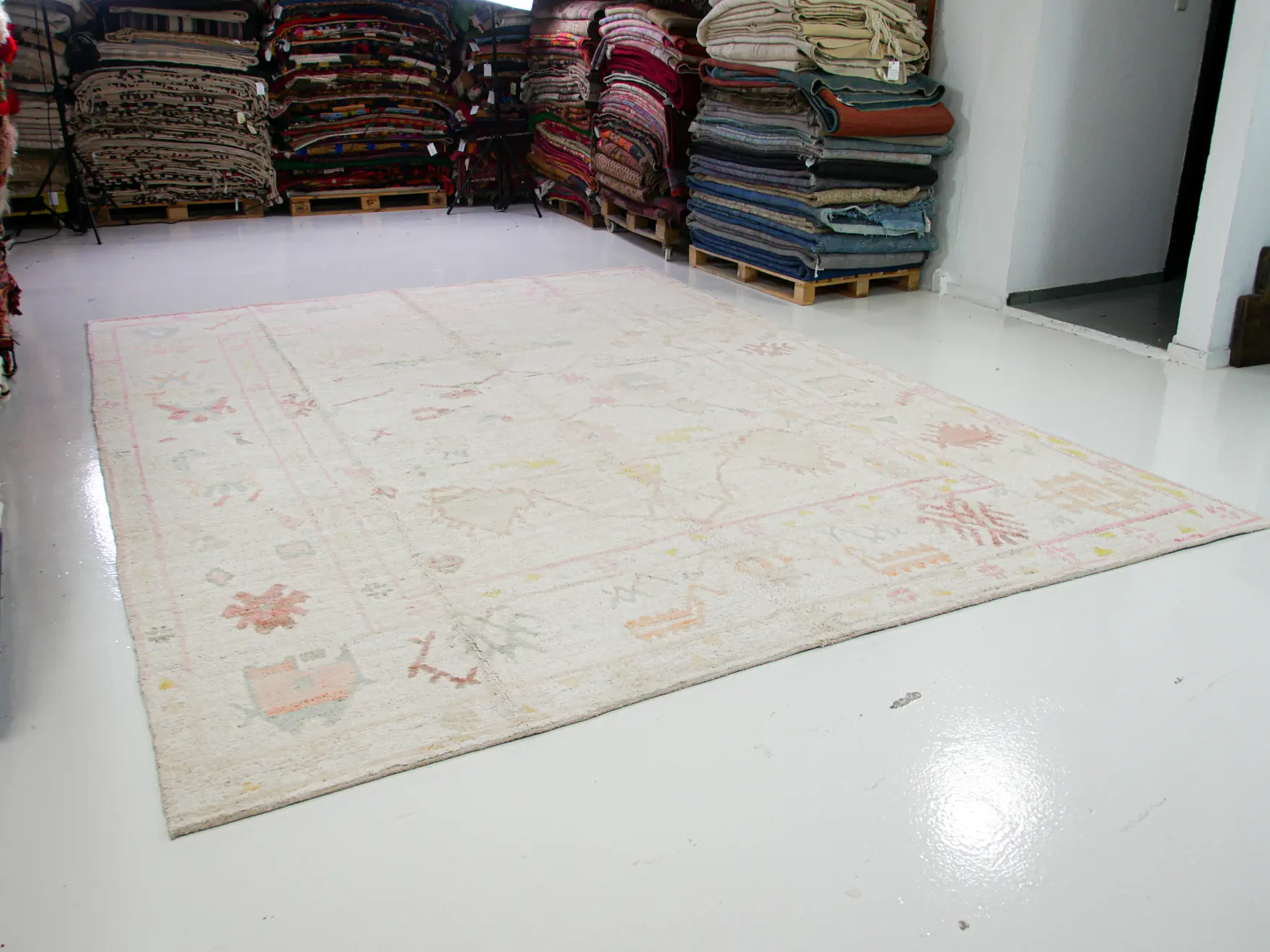
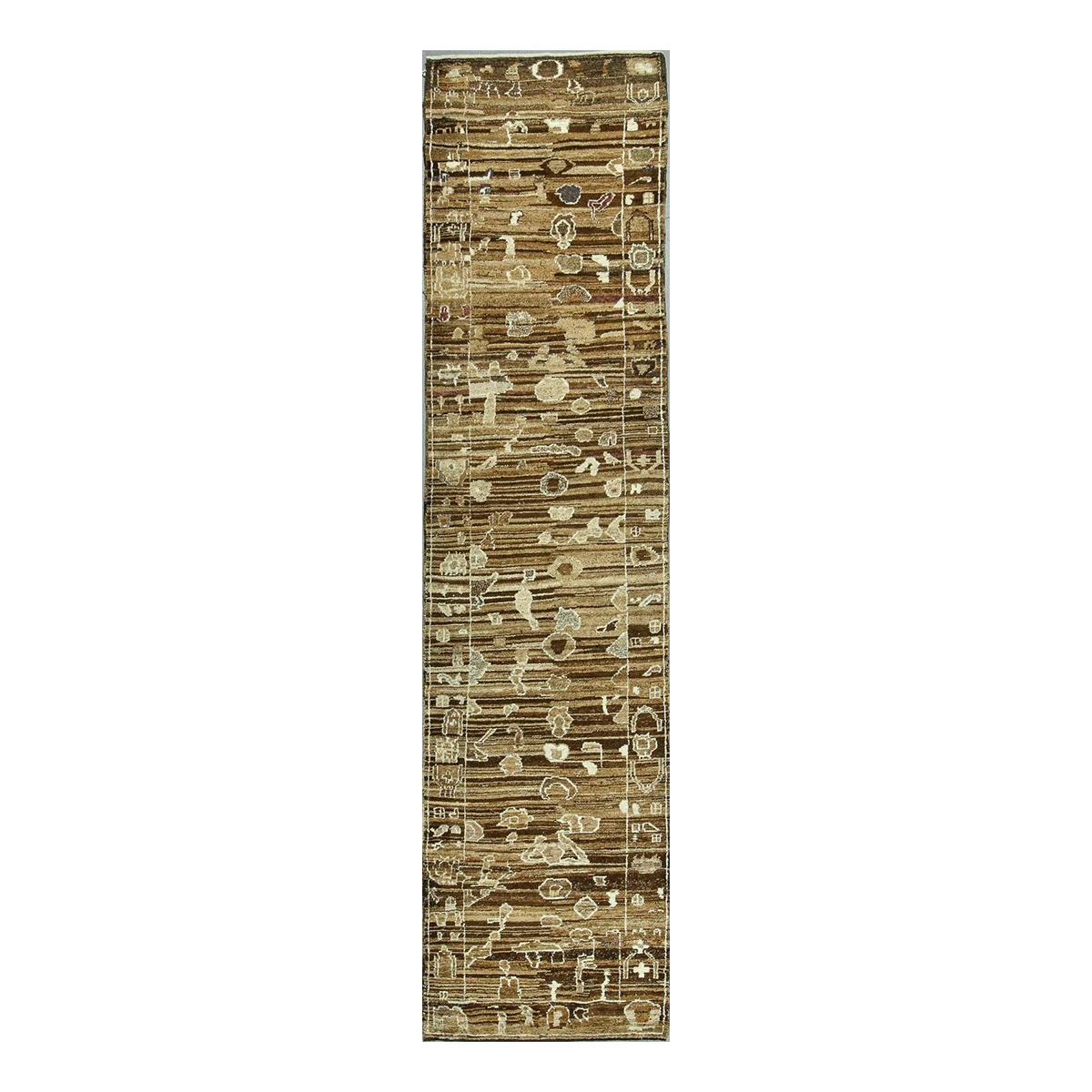
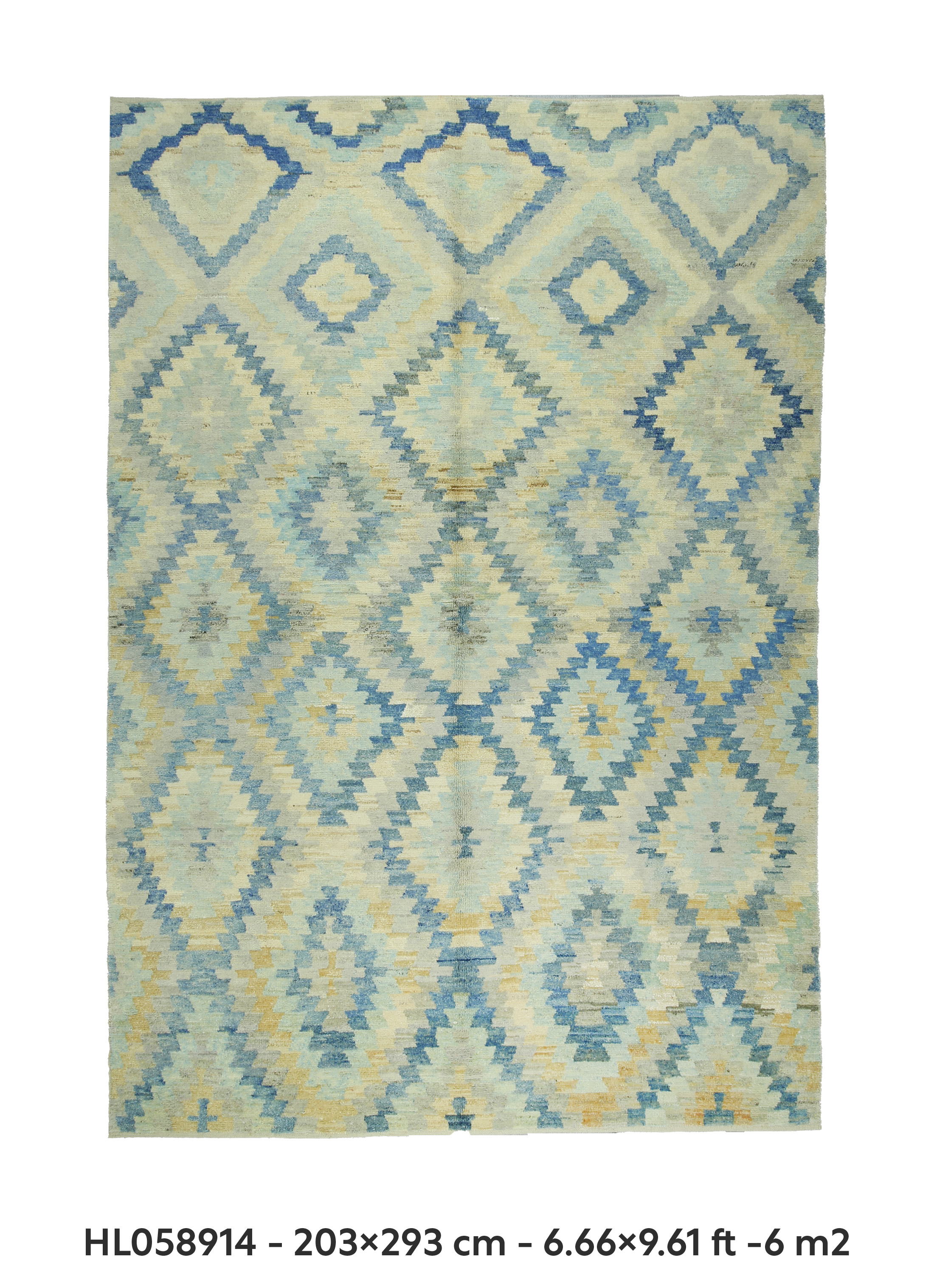
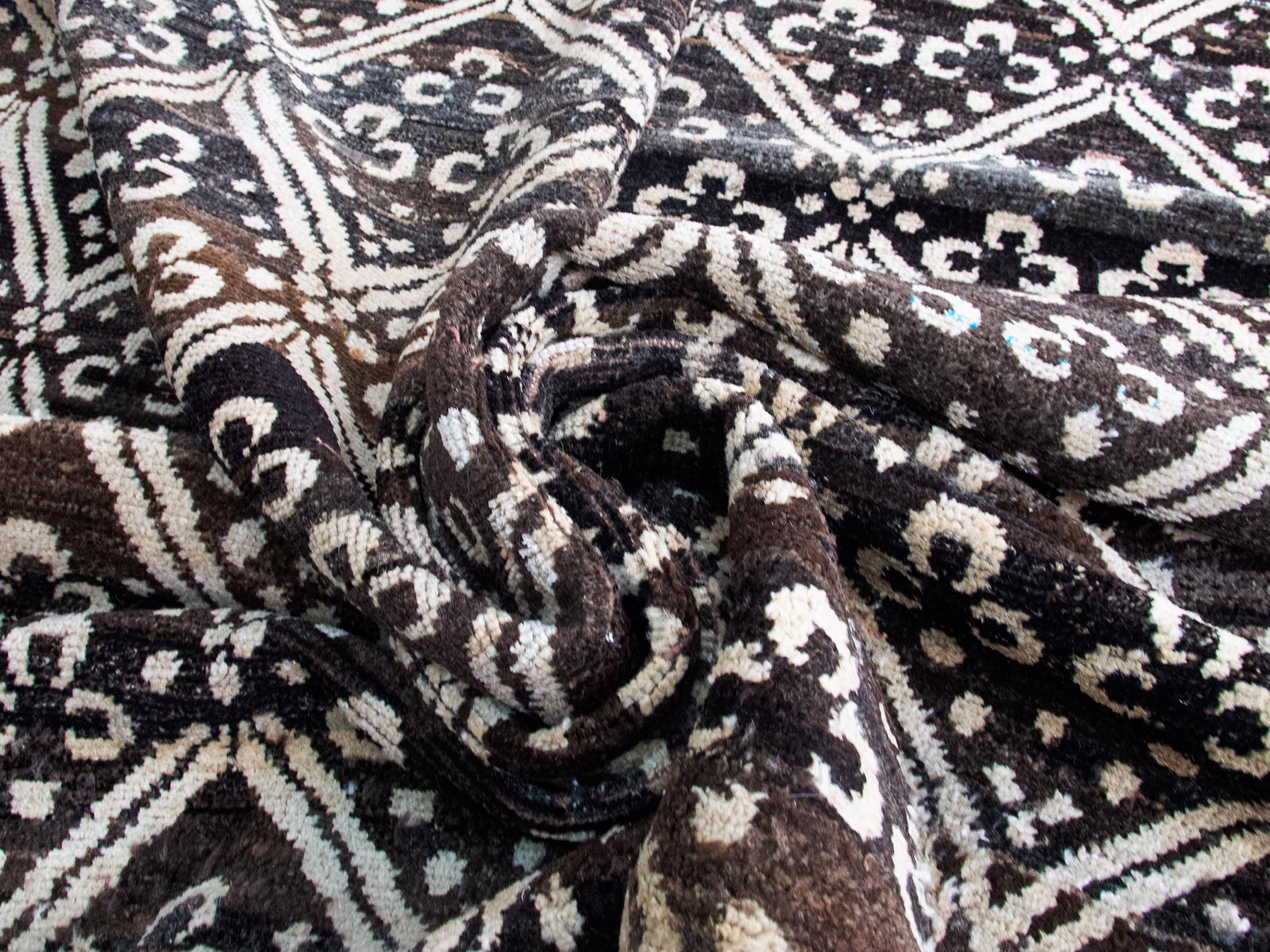
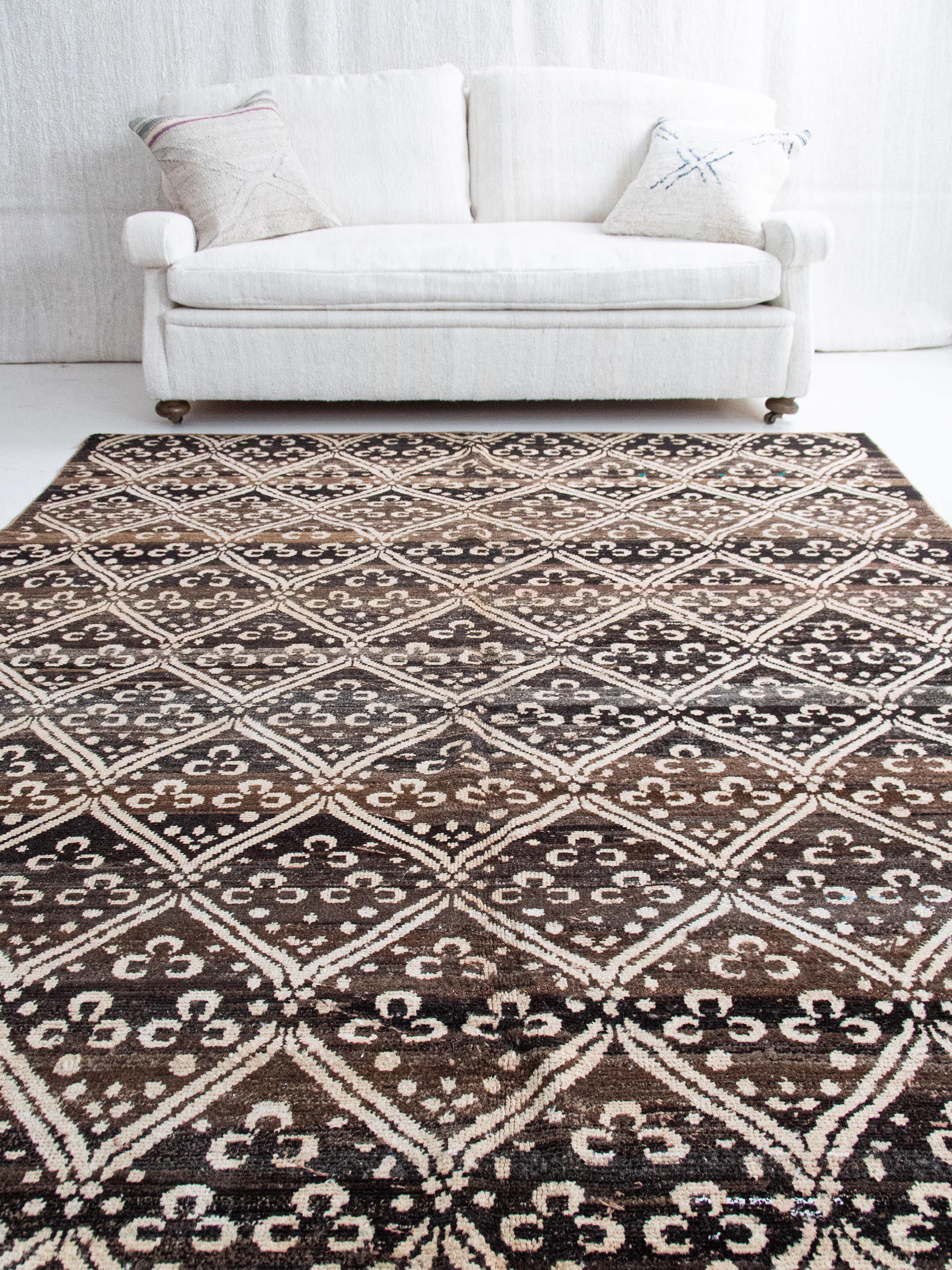
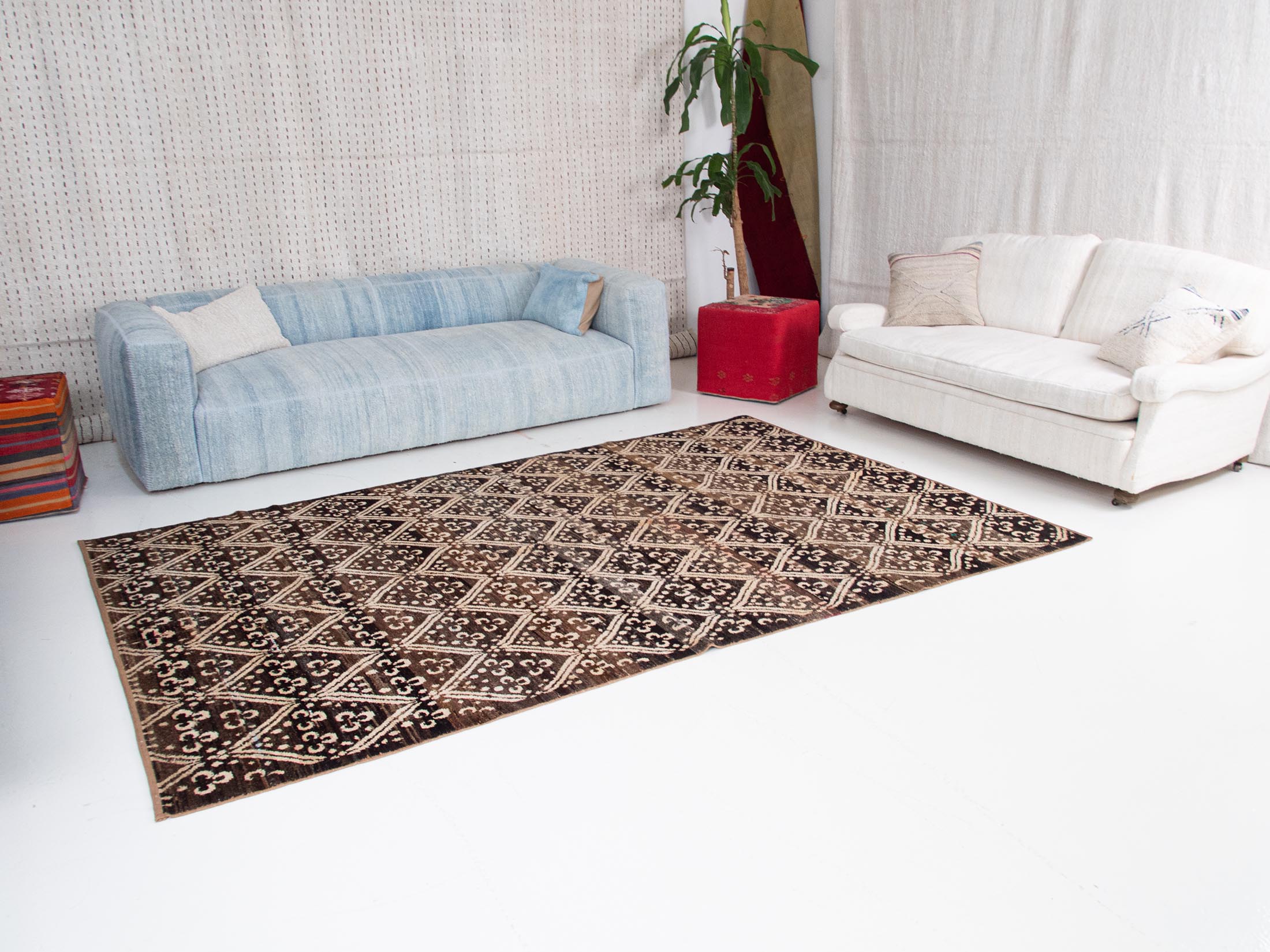
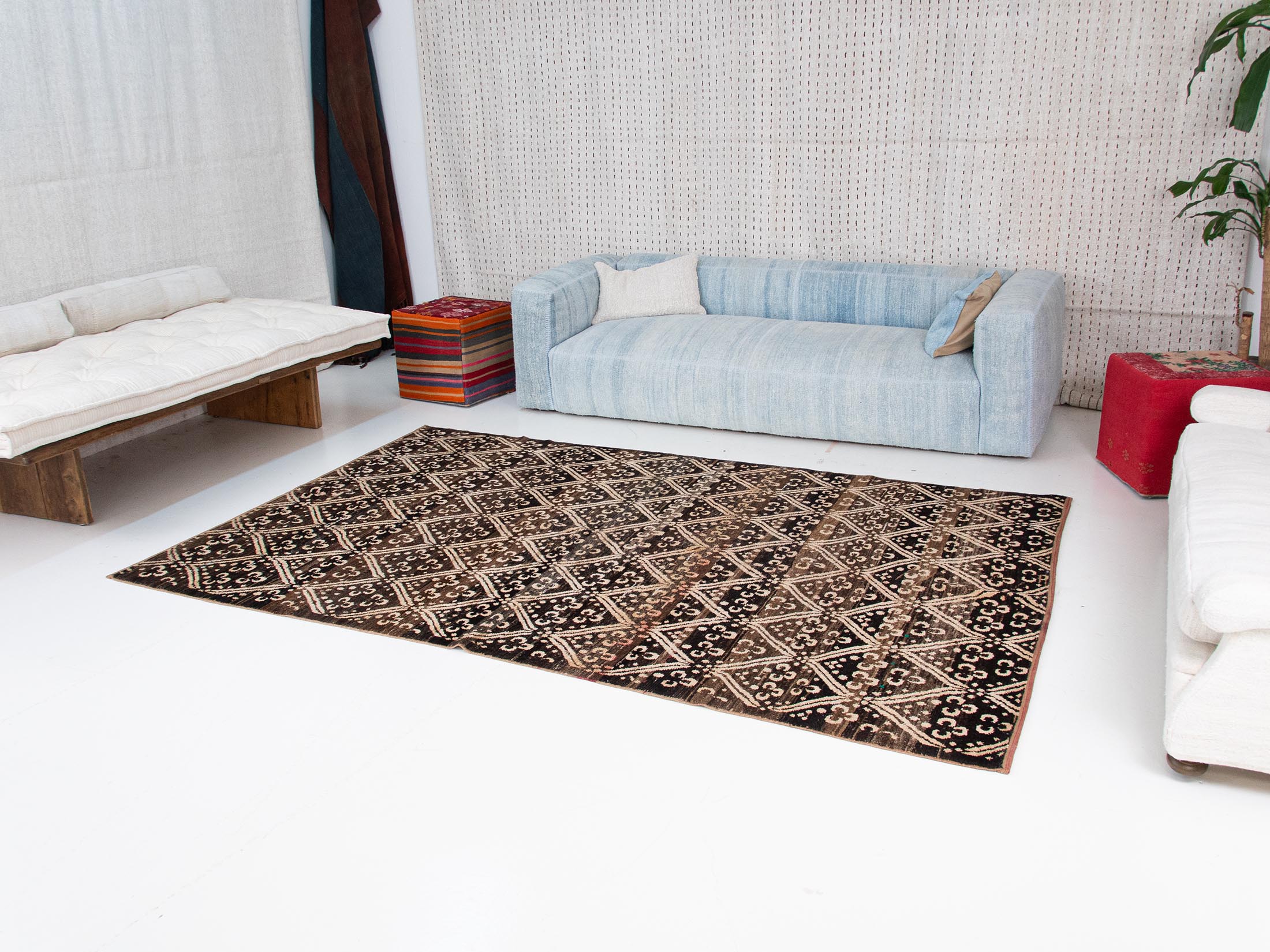
Hand woven wool rug with Chintamani pattern, pastel hues of beige and brown will create a focal point in any room. The rug is made of upcycled wool yarn, which gives it a soft, medium pile and a sustainable feel. It is also large enough to cover a large area, making it perfect for a living room, bedroom, or dining room. Add a touch of classical luxury to your home with this modern interpretation of a classical rug design.
Features:
- Unique Cintemani / Chintamani pattern
- Hues of brown and beige
- Made of upcycled wool yarn
- Soft, medium pile
- Size: 192×292 cm / 6’4×9’6 ft
- Area: 5.61 m2
- Sustainable and eco-friendly
Chintamani / Cintamani Rugs:
Cintemani, also known as Chintamani, is a captivating motif that has transcended cultural boundaries and left its mark on both Eastern and Western art. Let’s explore its significance in Western culture, particularly in antique rugs and textiles:
- Chintamani Motif in Antique Rugs:
- The Chintamani design features three circular balls stacked above wavy lines. It is a popular motif seen in both Indian and Tibetan rugs.
- The wavy lines evoke the stripes of a tiger’s skin, adding to the motif’s allure.
- Originally associated with Hindu and Buddhist symbolism, the Chintamani motif eventually found its way into Ottoman carpets during the 16th and 17th centuries.
- Symbolism and Origins:
- The Chintamani motif is often considered a wish-fulfilling gem. Its widespread use has obscured its exact origins, leading to scholarly debates.
- The design can take various forms, including three circles alone, wavy lines, or a single circle with a dot in the center.
- In Persian rugs, it appears as round circular flowers or solid-colored circles with intricate patterns inside.
- Garments of the Sultans:
- In Ottoman Turkey, the Chintamani motif was associated with royalty.
- Surviving garments adorned with this symbol belong to the Sultans and upper class.
- Miniature paintings from the Ottoman Empire depict the motif on both men’s and women’s clothing of high status.
- Power, Culture, and Artistic Accomplishments:
- Chintamani-adorned textiles were used to demonstrate the power, culture, and artistic accomplishments of the Ottomans.
- The motif’s mysterious origins continue to intrigue scholars and art enthusiasts alike.